

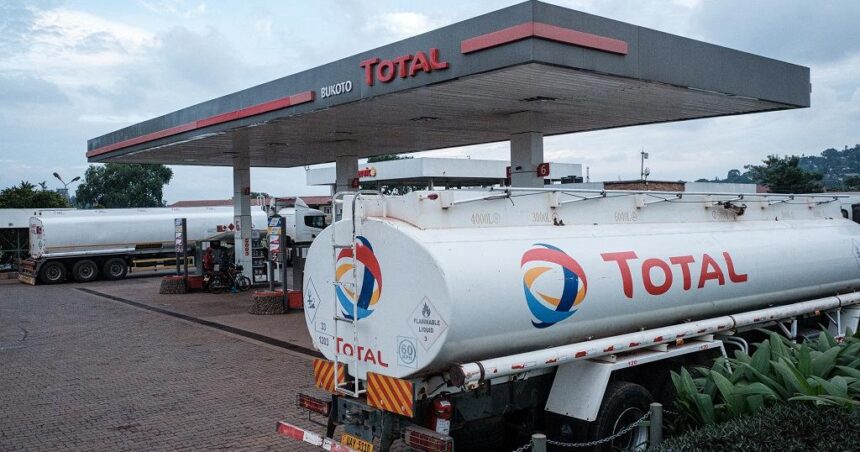
Uganda’s government has defended its decision not to introduce broad fuel subsidies or artificially support the shilling, saying such measures could strain public finances and undermine economic stability as households and businesses face rising fuel prices and currency depreciation.
Amos Lugoloobi, the Minister of State for Finance, Planning and Economic Development (Planning), who is currently holding the finance minister’s portfolio, presented the government’s position in Parliament on October 13, acknowledging the economic pressures facing the country.
The shilling’s depreciation and rising fuel prices have increased transport costs, pushed up the prices of essential goods and raised production costs for local industries.
Lugoloobi said the government was monitoring developments and would assess the factors driving the currency pressures and how long they were likely to persist before deciding on further interventions.
He said the government would prioritise macroeconomic stability while avoiding measures that could trigger market volatility or impose unsustainable costs on public finances.
Uganda’s gross international reserves increased from $5.6 billion at the end of January 2026 to approximately $6.7 billion as of October 6, equivalent to 3.74 months of import cover, excluding oil project-related imports.
The reserves provide a buffer against external economic shocks and help the country meet its international obligations. However, the government cautioned that the funds must be managed prudently.
Broad fuel subsidies and attempts to artificially support the shilling could offer temporary relief but would come at a significant fiscal cost, potentially reducing resources available for essential public services.
Instead, the government plans to prioritise adequate petroleum supplies, reduce avoidable costs and support vulnerable households through targeted interventions within the approved budget and subsequent budgets.
Petrol prices have risen sharply since September, climbing from about Shs4,000 per litre to approximately Shs7,000 as of October 13. Diesel prices have also increased significantly. Meanwhile, the US dollar has risen from an average of Shs3,700 to about Shs4,000 in recent months, increasing the cost of imported goods and other inputs priced in or linked to the dollar.
The Bank of Uganda has maintained the Central Bank Rate at 9.75%, raised commercial banks’ cash reserve requirements to 13.5% and deployed foreign exchange swaps and other liquidity-management instruments to ease short-term market pressures.
The measures are intended to support price and exchange-rate stability, protect foreign exchange reserves and maintain confidence in the economy without abandoning the market-determined exchange-rate system.
The government’s position highlights the challenge of containing rising living and production costs while preserving fiscal discipline and stability in the foreign exchange market.
Beyond short-term interventions, the government intends to strengthen Uganda’s capacity to earn foreign exchange and reduce unnecessary dependence on imports through its Tenfold Growth Strategy.
The strategy prioritises agro-industrialisation, tourism, mineral-based industrial development, oil and gas, and science, technology and innovation.
Remittances from Ugandans living abroad increased by 31.6% to $2.9 billion in the year ending June 2026, providing an important source of foreign exchange.
The government also expects commercial oil production and exports, anticipated to begin in 2027, to generate additional foreign exchange. It says the proceeds will need to be managed prudently and invested in productive assets capable of supporting long-term economic growth.
Other priorities include improving agricultural productivity, expanding value addition, growing tourism, processing minerals and increasing industrial production. These interventions are intended to diversify exports, strengthen foreign exchange earnings and improve the country’s external position.
The government’s approach therefore combines monetary policy measures with longer-term efforts to expand foreign exchange earnings rather than relying on costly interventions to support the shilling.
The key test will be whether these measures can ease pressure on the currency while limiting the impact of higher fuel, transport and production costs on households and businesses.


