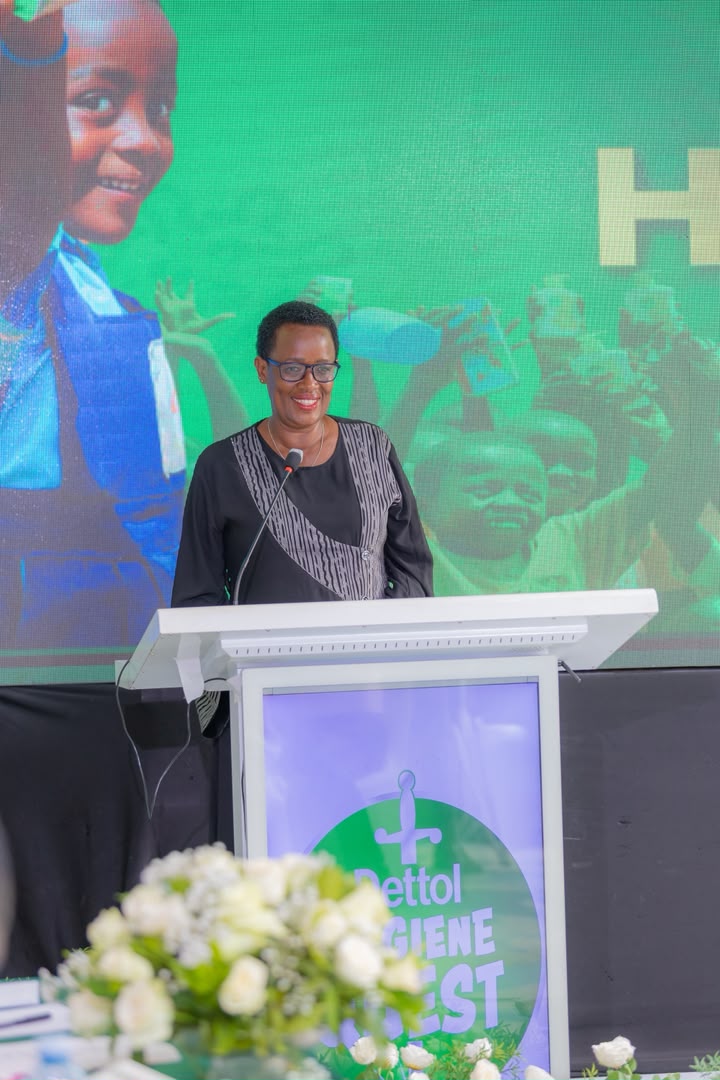
Reckitt and Chil Group have rolled out the third phase of the Dettol Hygiene Quest programme in Uganda, targeting 650,000 schoolchildren with hygiene education and interventions designed to reduce preventable illnesses and improve school attendance.
The initiative was launched at Four Points by Sheraton in Kampala on September 15, 2026, and will cover schools in Kampala, Mpigi, Kabarole and Kabale districts.
The latest phase builds on earlier interventions that reportedly reduced hygiene-related school absenteeism by 71.6% in Phase 1 and 74.8% in Phase 2, according to the programme organisers.
Under the new phase, pupils will receive practical training in handwashing, personal hygiene and disease prevention. The programme will also use digital monitoring tools to track implementation and assess progress, while providing essential hygiene products, including Dettol antibacterial soap.
Shamim Nabuuma, chief executive officer of Chil Group, said the programme was intended to prevent illness from disrupting children’s education.
“The remarkable results achieved in Phases 1 and 2, with hygiene-related absenteeism falling by more than 70%, demonstrate what is possible when effective public health education is combined with local innovation and access to the right resources,” Nabuuma said.
She said the expansion would enable the partners to reach more children and communities, strengthening hygiene practices while supporting better health and educational outcomes.
Cassandra Uzo-Ogbugh, head of external communications and partnerships at Reckitt West and East Africa, said the programme reflected the company’s commitment to expanding access to health and hygiene education.
She said the partners intended to encourage lasting behavioural change, reduce hygiene-related illnesses such as diarrhoea and improve school attendance.
The initiative also aims to extend its impact beyond classrooms by encouraging pupils to share hygiene knowledge with their families and communities.
Aisha Sekindi, Minister of State for Water and Environment (Water), who attended the launch as chief guest, commended Reckitt and Chil Group for supporting Uganda’s water and sanitation sector through interventions to improve hygiene in schools.
She highlighted the importance of public-private partnerships in promoting proper hygiene practices and providing healthier learning environments for children. Sekindi also pledged government support for the third phase of the programme, which is expected to reach 650,000 pupils in the four targeted districts.
The initiative complements Sustainable Development Goal 6, which seeks to ensure access to water and sanitation for all. It also supports SDG 3 on good health and wellbeing and SDG 4 on quality education.
Access to safe water, sanitation and hygiene facilities is essential to preventing disease and creating conditions in which children can learn effectively. By combining hygiene education with practical demonstrations, essential products and digital monitoring, the programme seeks to promote healthier habits among pupils and improve their school experience.
Reckitt and Chil Group said they would continue working with schools, teachers, communities and other stakeholders to strengthen hygiene awareness and encourage practices that protect children’s health.