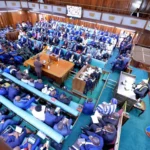
Members of Parliament are still giving their thoughts on President Yoweri Museveni’s State of the Nation Address as the 12th Parliament gathers momentum, with the debate increasingly shifting from the President’s economic achievements to whether government is delivering tangible results.
Museveni delivered the address on June 4 at Kololo Ceremonial Grounds, marking the opening of the First Session of the 12th Parliament. The address, required under Article 101(1) of the Constitution, outlined government’s economic record, development priorities and legislative agenda.
The President presented Uganda as an economy undergoing significant transformation, highlighting growth in agriculture, manufacturing, exports, infrastructure, ICT and services.
He said the economy had expanded from US$3.9 billion in 1986 to US$69.3 billion and projected growth of 6.4% in the 2025/26 financial year, with an ambitious 10% target for the following period.
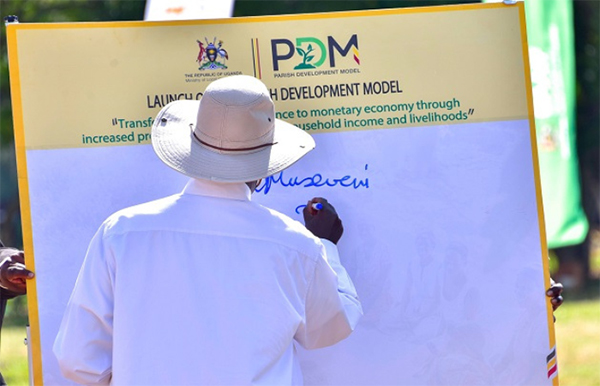
Museveni also defended government wealth creation programmes, particularly the Parish Development Model, which he said was helping households move from subsistence production into the money economy.
But as MPs debate the address, questions are emerging over the distance between government policy and what citizens experience.
Leader of the Opposition Joel Ssenyonyi offered one of the strongest challenges, arguing that the SONA should provide an honest assessment of the country rather than become a catalogue of government activities or a “victory speech.”
He said the address should acknowledge the challenges facing citizens and set out concrete measures to address them.
Ssenyonyi’s criticism puts the President’s economic figures against a broader question: whether headline economic growth is translating into jobs, higher household incomes and improved public services.
That concern has also emerged from MPs representing rural constituencies.
Gulu City Woman Representative Betty Aol Ocan, while participating in the continuing SONA debate, challenged government’s agricultural interventions, saying poverty was increasing in her area because communities were struggling to participate in commercial agriculture.
“Right now, poverty is going up because my people cannot go into commercialisation of agriculture,” Aol said, arguing that government resources must reach grassroots communities more effectively.
Her comments illustrate the implementation challenge facing the 12th Parliament.
Museveni has repeatedly argued that Uganda possesses the resources and opportunities necessary for transformation but suffers from weak implementation, corruption and poor leadership. He specifically warned public servants against prioritising allowances and facilitation over service delivery.
“This time I don’t need non-performers,” he warned.
The President also singled out corruption in infrastructure projects and urged ministers to act when they encounter wrongdoing.
For Parliament, this creates an important oversight test. The House is expected not only to support government’s economic strategy but also to scrutinise expenditure, question implementation failures and ensure that programmes reach intended beneficiaries.
Speaker Jacob Oboth has already pledged the 12th Parliament’s commitment to government’s ten-fold growth strategy, which seeks to expand Uganda’s GDP from about US$50 billion to US$500 billion by 2040. He has also urged new MPs to focus on service delivery and fulfilling campaign promises.
The SONA debate therefore provides an early indication of what could define the new Parliament: balancing support for government’s ambitious economic agenda with tougher scrutiny of whether those ambitions are translating into improvements for ordinary Ugandans.
As the 12th Parliament settles into its five-year mandate, the central question may be less about what Uganda plans to achieve and more about whether government can demonstrate that its programmes are actually delivering the promised transformation.