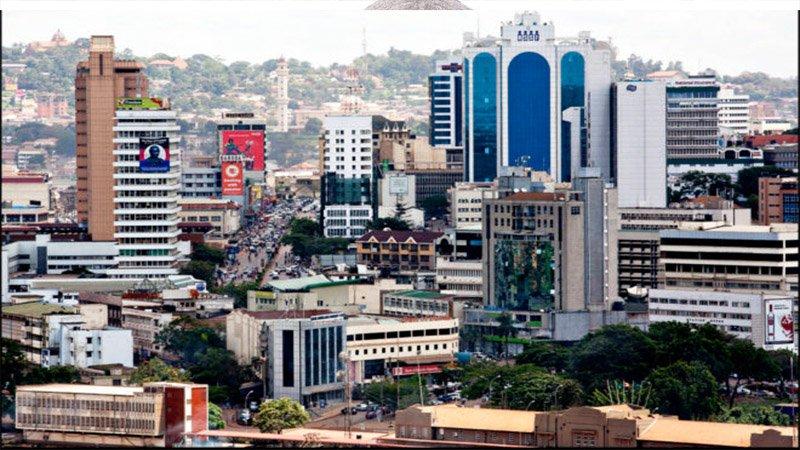
Uganda’s economy remains one of the fastest-growing in the region, supported by expanding services, agriculture, industry, construction, trade and investment. The country is also positioning itself for a major economic transformation as oil production approaches and government pursues its long-term development agenda.
The economy has maintained relatively strong growth in recent years despite global and domestic pressures, including high interest rates, rising public debt, climate-related shocks and the cost of doing business. Economic activity has increasingly benefited from improved consumer demand, private investment, infrastructure development and recovery across key productive sectors.
Agriculture remains central to Uganda’s economy, supporting millions of households and providing employment and raw materials for industry. Coffee, tea, fish, livestock and other agricultural products remain important sources of exports and foreign exchange. However, low productivity, limited value addition, climate risks and inadequate access to affordable financing continue to constrain the sector’s potential.
The services sector has become an increasingly important driver of economic activity, with banking, telecommunications, transport, trade, real estate, tourism and professional services contributing significantly to growth. Uganda’s young and growing population is also creating a large consumer market while increasing demand for jobs, housing, education, healthcare and financial services.
Industry and manufacturing are receiving greater attention as Uganda seeks to reduce dependence on imported goods and increase domestic value addition. Investments in agro-processing, construction materials, pharmaceuticals and other manufacturing activities are expected to support industrialisation, create employment and expand the country’s export base.
The oil and gas sector represents one of Uganda’s biggest economic opportunities. With major investments in the oil fields, the East African Crude Oil Pipeline and related infrastructure, the sector is expected to generate government revenues, foreign exchange, employment and business opportunities across the wider economy. The challenge will be ensuring that oil wealth supports broad-based development while maintaining fiscal discipline and environmental safeguards.
Uganda’s economy is also being shaped by increasing public investment in roads, energy, water, education and other infrastructure. These investments are intended to improve productivity and connect producers to markets, although concerns remain over public debt, project efficiency and the cost of financing government programmes.
Financial inclusion is expanding through banks, mobile money, digital financial services and other technology-driven platforms. Nevertheless, access to affordable credit remains a challenge for many households and small businesses, particularly those without formal records or adequate collateral.
Looking ahead, Uganda’s economic prospects remain closely linked to productivity, private-sector investment, industrialisation, exports, human capital development and the effective management of oil revenues. Sustaining economic growth while ensuring that its benefits translate into higher household incomes, better jobs and improved living standards remains one of the country’s most important policy challenges.
For investors, businesses and policymakers, Uganda presents both significant opportunities and considerable structural challenges. The country’s economic story is increasingly defined by the transition from growth driven by consumption and primary production towards a more productive, diversified and value-added economy.